Electric Van Finance and the ZEV Mandate: What UK Businesses Need to Know in 2026
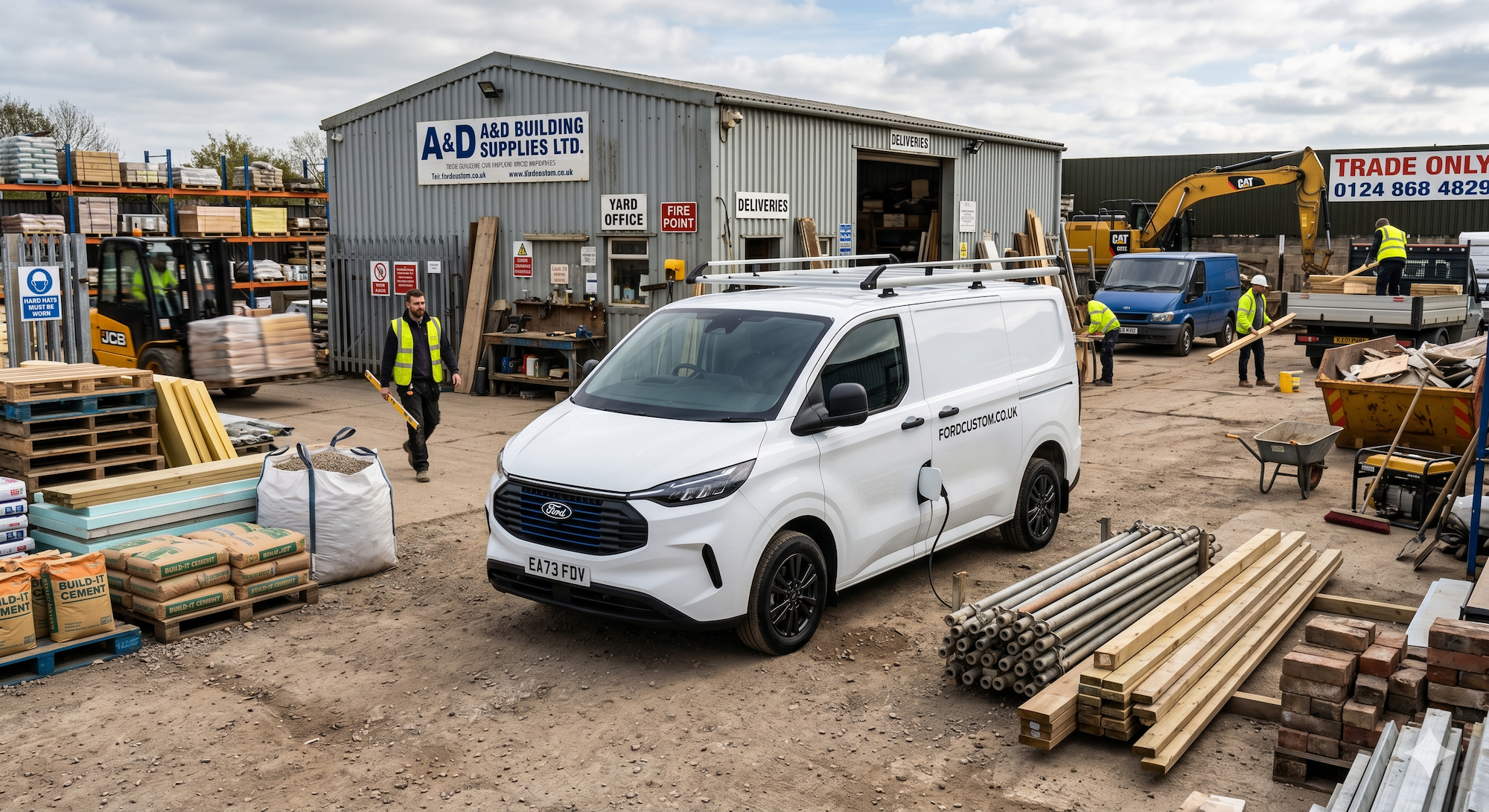
The UK Zero Emission Vehicle (ZEV) mandate is a government regulation requiring manufacturers to sell a specific percentage of electric vehicles each year. For vans, the target is 10% in 2024, rising to 24% by 2026 and 100% by 2035, fundamentally shifting the commercial vehicle finance market.
Understanding Electric Van Finance Under the 2026 ZEV Mandate
The Numbers Are Not Going Away
From 1 January 2026, 24% of all new vans sold in the UK must be electric. That is the requirement under the government's Zero Emission Vehicle (ZEV) mandate, as confirmed by the Department for Transport. Actual electric van market share was sitting at around 12% in early 2026 according to SMMT data. That is a sizeable gap for manufacturers to close, and they will be pushing hard to hit their numbers before the year is out. Fines for missing the target run to £9,000 per non compliant van sold outside allowances. That certainly concentrates minds.
None of that is your problem directly. You aren't a manufacturer. But the ZEV mandate changes the market you are buying into, and it changes how lenders look at electric vans. Both of those matter if you are trying to fund a vehicle right now.
The mandate trajectory beyond 2026 is steep. Targets rise to 34% in 2027, 46% in 2028, and 70% by 2030. Diesel vans will still be available until 2035, but the direction of travel is obvious. Businesses that haven't started thinking about this are falling behind.
What the Government's £1 Billion Funding Package Actually Means
In March 2026, the government announced a £1 billion funding package covering electric vans, trucks, and depot charging infrastructure. The headline for van buyers is a continuing grant of up to £5,000 off the purchase price of a new electric van, running through to 2030. Larger vans attract the full £5,000. Smaller vans under 2.5 tonnes get up to £2,500.
The grant is applied at the point of sale, not claimed back afterwards. Your dealer handles all the paperwork. What really matters from a finance perspective is understanding how it interacts with the deal you are putting together.
How the Grant Affects Your Finance Agreement
If you are buying on hire purchase, the grant reduces the vehicle price before the finance is calculated. A lower capital outlay means lower monthly payments or a shorter term, depending on how you structure it. Simple enough.
A finance lease is slightly different. The lease is calculated against the full vehicle value, and the grant is typically applied to the purchase price upfront. Some lenders factor this in cleanly, while a few handle the paperwork in a way that creates a short delay. It's always worth confirming exactly how your funder processes it before you sign anything.
One other thing. The grant is available on vehicles that meet specific emissions and range criteria. Not every electric van on the market qualifies. Check eligibility before you build your numbers around it. Your broker or dealer should be able to confirm this for you quickly.
The ZEV Mandate Is Actually Good News for Business Buyers Right Now
It might seem counterintuitive. But manufacturers under pressure to hit a 24% electric sales target will be incentivising heavily. Expect competitive pricing, extended warranties, enhanced manufacturer support packages, and dealer discounts that just wouldn't exist in a normal market. James, who runs a nationwide cleaning services firm out of Coventry, told us he had three manufacturers approach him directly about fleet deals this spring. That just doesn't happen in a diesel market.
For single van buyers, the pressure on manufacturers filters through too. Stock availability on popular electric models is higher than it has been. Deals are definitely on the table.
Hire Purchase or Finance Lease: The EV Question
This is where things get a bit tricky, and it's the question we hear most often when customers ask us about funding an electric van.
The Residual Value Problem
Electric van residual values are not settled. Used EV prices fell again in late 2025 as new car incentives and rising supply continued to put pressure on second hand values. Leasing companies have been vocal about it. The BVRLA warned that stimulating new EV registrations without supporting the used market risks compounding the problem. Fleet News research from 2025 described EV residual value volatility as the single biggest challenge facing the leasing industry.
Why should you care? Because a finance lease places the residual value risk squarely on your business, not the lender. At the end of the term, you either pay a balloon payment based on the agreed residual value, sell the vehicle to cover it, or refinance. If the van is worth significantly less than the agreed residual at the end of the term, you are exposed.
Take a customer we helped last year. He's an electrician with a two van setup in the East Midlands. He came off a finance lease on a 2022 plate electric van, and the residual had been set a bit too optimistically. The market value when the term ended was around 28% below the agreed figure. That was a nasty conversation to have, and an completely avoidable one with better product selection at the outset.
When Hire Purchase Makes More Sense
For most SMEs buying a single electric van, hire purchase is the safer structure right now. You know exactly what you are paying each month. At the end of the term the van is yours. No residual value exposure, and no balloon payment to worry about.
The catch is that you end up owning an asset whose future value is a bit up in the air. But most businesses that own their work vans aren't running them as investment vehicles. They use them, they depreciate them, and they replace them when the time is right. Talk to your accountant about the capital allowances position on zero emission vehicles before you commit. We don't give tax advice, but the current treatment of electric vans under HMRC rules is worth understanding before you decide how to fund one.
When a Finance Lease Might Still Be Worth Considering
Larger fleets with a strong in house remarketing team sometimes prefer a finance lease because it keeps the asset off the balance sheet differently and gives them flexibility at the end of the term. If you have the expertise to manage disposal risk, it can work nicely. Most sole traders and small limited companies don't, and shouldn't be taking on that complexity without proper advice.
Some lenders are setting more conservative residual values on electric vans than they were a couple of years ago, simply because the market has been a bit bumpy. A more conservative residual means higher monthly payments compared to what you might have expected from a finance lease a few years back. The monthly cost gap between HP and finance lease has narrowed on electric vans as a result.
How Lenders Are Approaching Electric Van Applications
Most mainstream asset lenders are perfectly comfortable with well established electric van models from major manufacturers. Ford E-Transit, Vauxhall Vivaro Electric, Mercedes eSprinter, Renault Master E-Tech. These are known quantities with enough used market data for lenders to price with reasonable confidence.
Newer brands are a different story. A few Chinese built electric vans have come to market with competitive pricing and solid specs, but several of the lenders we use have either restricted LTV on these or declined to fund them altogether. One mid tier funder we work with won't touch any electric van brand without a minimum three years of UK used market data. That cuts out a fair number of the newer entrants.
- Model matters to lenders more than it did in the diesel market. A mainstream brand with an established used market will attract better terms than a lesser known EV nameplate, regardless of the vehicle's actual quality.
- Battery condition and warranty status are increasingly part of lender assessments, particularly on any used electric van applications.
- Applications from businesses with less than 12 months of trading history will face a harder time regardless of the vehicle. Some specialist funders will consider these, but deposit requirements are typically higher.
- Sole trader applications for electric van finance are available on unregulated credit agreements from £25,000, while limited company applications start from £10,000.
- A clean credit profile and 6 to 12 months of business bank statements remain the baseline for most lenders. One funder we use regularly doesn't even request bank statements if your credit profile is strong enough.
Rates depend entirely on your business profile and the lender's assessment. Don't let anyone quote you a rate before they have looked at your full profile.
One Thing Businesses Keep Getting Wrong
Buying on the manufacturer's finance without checking what else is available. Dealer finance on electric vans right now often looks attractive because manufacturers are incentivising hard to hit ZEV targets. Sometimes it genuinely is competitive. Sometimes it is packaged cleverly to look better than it actually is. A broker with access to multiple funders can tell you quickly whether the dealer offer is worth taking or whether there is a better structure elsewhere.
The grant is real. The pressure to hit ZEV targets is real. But neither of those things means the first finance offer on the table is the right one for your business.
For a full breakdown of what to expect when funding a new electric van, take a look at our guide to finance for new electric vans. It covers the application process, typical structures, and exactly what lenders will want to see.
Where We Are Heading
Whether you are a fan of EVs or not, the mandate is here to stay. By 2030 the target for new van sales is 70% electric. Businesses that wait until 2028 or 2029 to think about this will be making the decision under a lot more pressure, with less choice, and potentially with fewer government incentives still on the table. The £5,000 grant is available right now. The manufacturer competition to hit ZEV targets is happening right now. The conditions for a well structured electric van finance deal are as good as they have been.
We are a credit broker, not a lender. We work with a panel of funders including specialist lenders who understand the commercial EV market, and we can compare the options available for your business profile without you having to approach multiple lenders directly. Finance is subject to status.
Business Van Finance
We arrange van finance for UK limited companies and sole traders. Access to 100+ lenders. FCA authorised, FRN 984955.
Find out more →Related Guides
Hire Purchase vs Finance Lease
Understand the difference between the two main types of van finance and which one suits your business.
Credit ProfilesBad Credit Van Finance
How specialist lenders approach adverse credit applications and what you can do to improve your chances.
DepositsNo Deposit Van Finance
When no deposit is genuinely available, how VAT deferral works, and what lenders look for.
Frequently asked questions
Ready to arrange your van finance?
Speak to a specialist today. No obligation, no upfront fees.