Declined Twice, Then Approved by Two Lenders
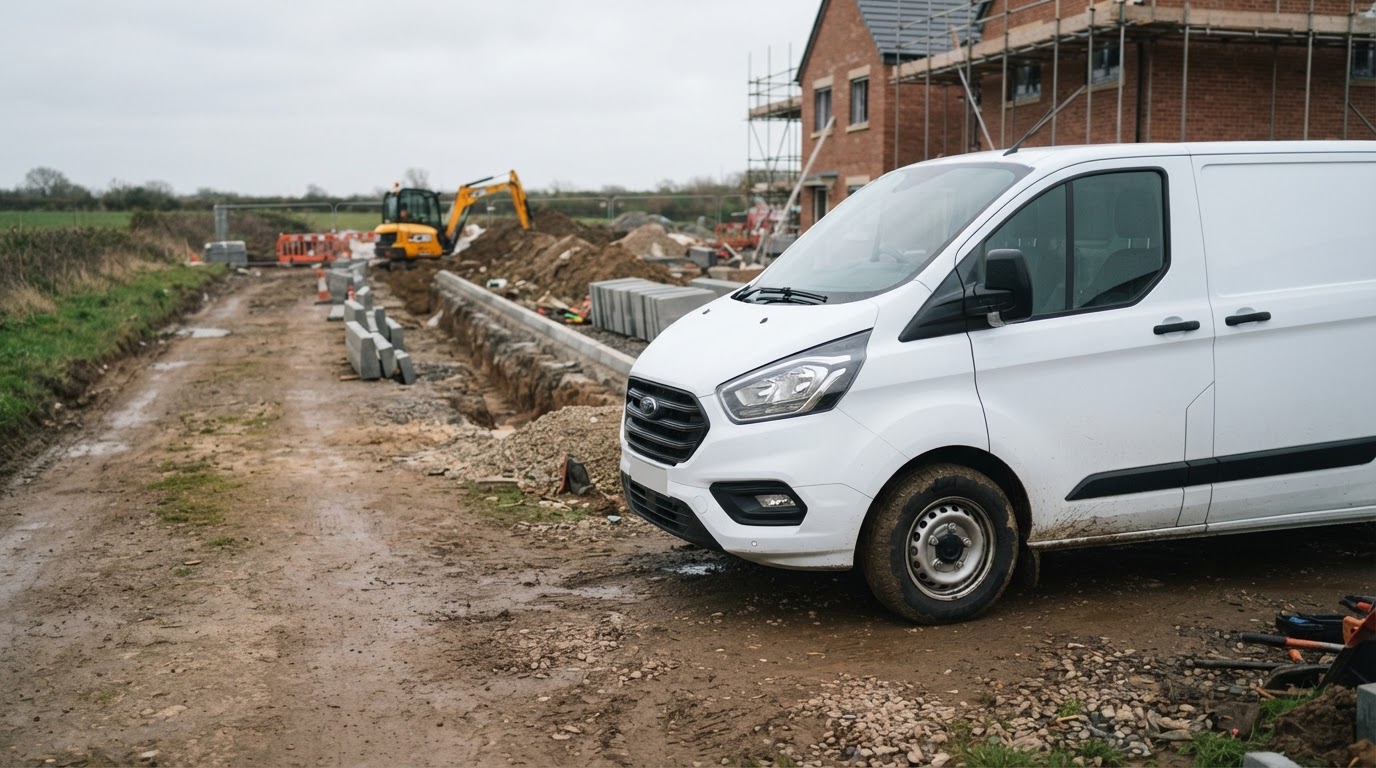
A groundworks and civils company came to us seven months into trading, wanting two vans and expecting to be told no.
They had reason to think that. A main dealer had already turned them away because they wanted two years of trading history, and an application for an unsecured business loan had gone nowhere.
What they actually had was rather better than they realised. Around £75,000 of turnover in seven months, roughly £11,000 sitting in the business account, a signed letter of award for the next phase of their current project worth £150,000, and upcoming EV charging infrastructure work with the potential to run for years. Both directors had more than a decade in groundworks and construction behind them.
The problem was not the business. It was the credit file.
Two directors, two very different credit histories
One director was a homeowner with a solid personal credit profile. The other was renting, had a long run of missed payments on a substantial credit card balance and a credit score low enough to trigger an automatic decline on most automated systems.
Shareholding was split fifty fifty. That matters, because lenders credit check every shareholder holding twenty five per cent or more, so leaving the second director off the application form would have achieved nothing. Companies House is public, and underwriters look.
We told them there were lenders who would consider the application with both directors on it, provided we were upfront about the adverse credit and could explain it properly, and that the likely cost of doing so was a higher rate rather than a refusal.
The director asked whether removing his business partner from the company would improve his chances. We were clear that it might help, that we could not promise it would, and that it was not something we were advising him to do. He made that decision himself.
For completeness, because people get this wrong: removing someone as a director alone does not remove them from a credit assessment. They also have to be removed as a person with significant control, and the shareholding has to be transferred and filed through a confirmation statement. Until all three are done, the lender still sees them.
The £425 nobody had mentioned
With the restructuring done, we proposed the deal to two lenders we thought would help.
The first came back with a decline, and the reason was a surprise to everybody including our customer. There was an overdue payment showing on a hire purchase agreement, and it had been sitting there for more than a year.
He had told us about a couple of missed payments in recent months and said everything was up to date, and as far as he was concerned it was. When we asked him about it, the explanation was straightforward. He was in a dispute with a finance company over £425 and had simply stopped paying it while the argument ran on.
Four hundred and twenty five pounds, against a van costing nearly thirty thousand. Once he understood what it was doing to his credit file, he paid it.
This is worth taking seriously if you are about to apply for anything. A disputed balance you have deliberately left unpaid does not look like a dispute on a credit file. It looks exactly the same as a payment you could not afford, and an underwriter cannot tell the difference without being told.
Turning a second decline into an offer
The second lender also said no initially.
Rather than leave it there, we went back with the full picture. What the overdue item actually was, that it was a dispute rather than an affordability problem, and that it had now been settled. We also asked our customer for something we thought would help, which was a cash flow forecast for the new contract, showing the weekly income it would generate and the costs of running it.
He put a spreadsheet together the same day. Combined with the signed letter of award, that turned an abstract claim about future work into something an underwriter could look at and assess.
Both lenders reconsidered. Both made an offer.
That put the business in the unusual position of being able to fund two vehicles. They decided to take one now and add the second in a couple of months, which was the sensible call.
The VAT deferral that cut the upfront cost by two thirds
Here is the part that made the biggest practical difference.
The company was not yet VAT registered, though it was approaching the £90,000 threshold at which registration becomes compulsory. Both lenders initially wanted the VAT paid upfront, around £5,000 on a van at this price, plus a ten per cent deposit on the pre-VAT price of roughly £2,500.
That is £7,500 before the van moves. For a business seven months old with £11,000 in the bank and a contract about to start, that is a serious amount of working capital to hand over.
So we asked both lenders for a VAT deferral. The lender pays the dealer the full amount including the VAT, and instead of collecting the VAT from the customer at the start, they add it as a single payment alongside the third monthly instalment, four months after the vehicle is collected. That gives the business time to register for VAT, reclaim it from HMRC at the end of its quarter, and pay it across without ever being out of pocket.
Both lenders agreed to it, despite the company not being VAT registered at the point of application. The condition was that they applied for registration straight away and could evidence it, with something as simple as an application reference.
The upfront cost went from £7,500 to £2,500.
Not every lender offers this. We have a couple who will, and most businesses have never been told it exists. We have never seen it offered on dealer supplied finance.
Why they ended up buying new
The original plan was a two year old van at around £25,000.
While the deal was being arranged, they looked again at new. Manufacturer discounting on new vans can be very substantial at the right point in the year, and at the time they were shopping the gap between a nearly new example and a brand new one had narrowed to a couple of thousand pounds.
For that difference they took delivery of a new, higher specification Ford Transit Custom instead, with a full warranty and no history to worry about, on a five year agreement at a payment the business can carry comfortably.
Handled by Guy Prince
Can I get van finance with only seven months of trading?
Yes. Seven months is short, but turnover, money in the bank, a signed contract and a director with industry experience behind them all count. A main dealer asking for two years of accounts is applying one rule. A broker with a panel of lenders is looking for the one that fits.
Will a disputed payment on my credit file stop me getting van finance?
It can, and it often does more damage than people expect. A balance you have withheld on principle looks identical on a credit file to a payment you could not afford. Check your own file before you apply, and if something on it is in dispute, tell us so we can explain it to the lender rather than leave them to guess.
Can I get a VAT deferral if I am not VAT registered yet?
Sometimes. Not every lender offers deferral at all, but some will consider it where a business is about to register, provided you can evidence that you have applied. It moves the VAT from an upfront cost to a single payment a few months in, once you have had the chance to reclaim it from HMRC.
Does a first decline mean the answer is no?
No. It usually means the lender is missing information rather than that the business is unfundable. A proper explanation, and something concrete such as a cash flow forecast for the work coming in, frequently turns it around.
Every application is assessed on its own merits and terms depend on individual circumstances.
Talk to us about your business
Seven months trading, a complicated credit file, or a contract starting before the vans arrive. Tell us the situation and we will tell you honestly what is achievable. No obligation, no upfront fees.
Apply onlineBusiness Van Finance
We arrange van finance for UK limited companies and sole traders. Access to 100+ lenders. FCA authorised, FRN 984955.
Find out more →Related Guides
Bad Credit Van Finance
Specialist lenders who assess the whole picture rather than an automated credit score. How adverse credit applications are approached.
Your SituationNo Deposit Van Finance
How no deposit van finance works, the VAT question answered, and when it is available. Including VAT deferral.
Popular ModelsFord Transit Custom Finance
Finance for the Ford Transit Custom, new and used, arranged through your business across a panel of over 100 lenders.
Talk to us about your business
Seven months trading, a complicated credit file, or a contract starting before the vans arrive. Tell us the situation and we will tell you honestly what is achievable. No obligation, no upfront fees.